 Credit: Lucas Gouveia / Android Police | aslysun / Shutterstock
 By
Ben Khalesi
Published Feb 28, 2026, 8:00 AM EST
By
Ben Khalesi
Published Feb 28, 2026, 8:00 AM EST
Ben Khalesi writes about where artificial intelligence, consumer tech, and everyday technology intersect for Android Police. With a background in AI and Data Science, he’s great at turning geek speak into plain English. When he’s not working, you’ll find him bouldering.
Sign in to your Android Police account Add Us On Summary Generate a summary of this story follow Follow followed Followed Like Like Thread Log in Here is a fact-based summary of the story contents: Try something different: Show me the facts Explain it like I’m 5 Give me a lighthearted recapBig numbers sell phones and lately that big number is nits.
Every year, Samsung, Apple, and Google step on stage to brag about how their latest flagship pushes even higher brightness levels.
For most people, it means less squinting in bright sunlight and HDR movies that really pop. If you live with chronic migraines, though, the whole nit race doesn’t matter much.
Hardly anyone talks about how dim screens can get, which matters more if you live with photophobia. Until manufacturers start paying attention to minimum brightness, we have to improvise.
Thankfully, Android’s accessibility settings have a toggle that makes my phone usable on the worst migraine days.
 Related
How Android's accessibility features helped me stay productive during burnout
Related
How Android's accessibility features helped me stay productive during burnout
These tools became my lifeline
Posts 1 By Anu JoyThe race for higher nits is leaving light-sensitive users behind
 Credit: Lucas Gouveia / Android Police
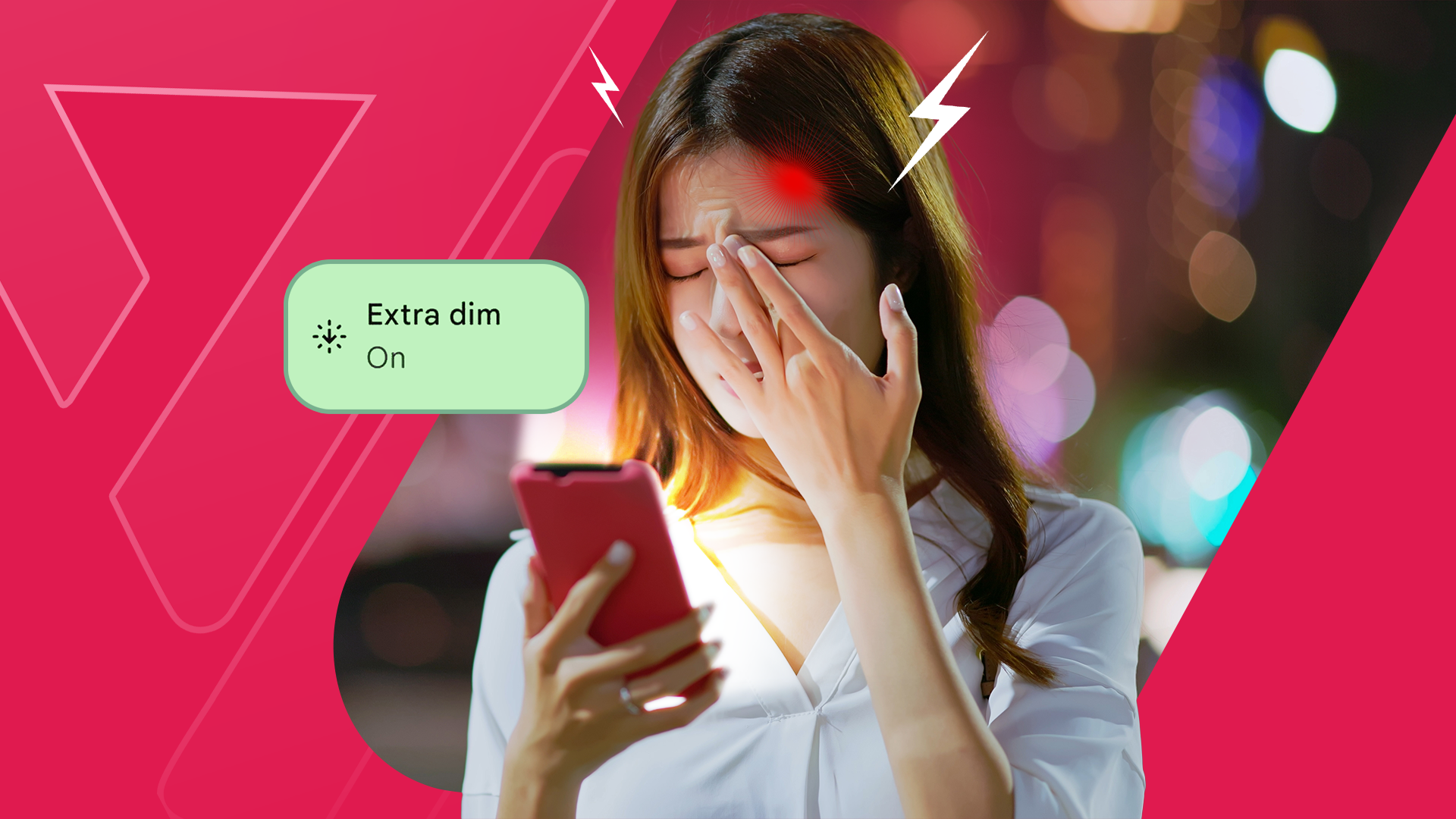
Why does a modern phone set to its lowest brightness still bother some of us? The answer is basic neurobiology.
Photophobia literally means fear of light, but clinically, it’s an abnormal light sensitivity that can cause physical discomfort.
When it’s dark, your pupils dilate to let in more light. So even when your phone is at its dimmest, it still feels bright.
Your eyes have to adjust quickly, and for anyone with migraines or light sensitivity, that sudden change may trigger an attack.
So you push the brightness slider all the way left, and it eases things a bit. But if the screen is still bright white or has a sharp contrast, the discomfort sticks around.
And if that wasn’t enough, nearly every flagship Android phone now uses OLED displays.
Unlike older LCDs with a constant backlight, each pixel in an OLED display is its own tiny light-emitting diode.
To make an OLED screen darker, all of its millions of individual pixels have to emit less light at the same time.
The problem is that if you lower the current too much, OLED pixels stop dimming evenly, causing the Mura effect and smudged colors.
To get around this, manufacturers use a trick called Pulse Width Modulation, or PWM. Rather than dimming the light itself, the screen switches on and off hundreds or thousands of times every second.
You can’t notice it consciously, but your brain and eyes do. For someone with migraines, that flicker hits the optic nerve like a hammer.
There is a setting that finally makes night use bearable
 Credit: Lucas Gouveia / Android Police | ViDI Studio / Shutterstock
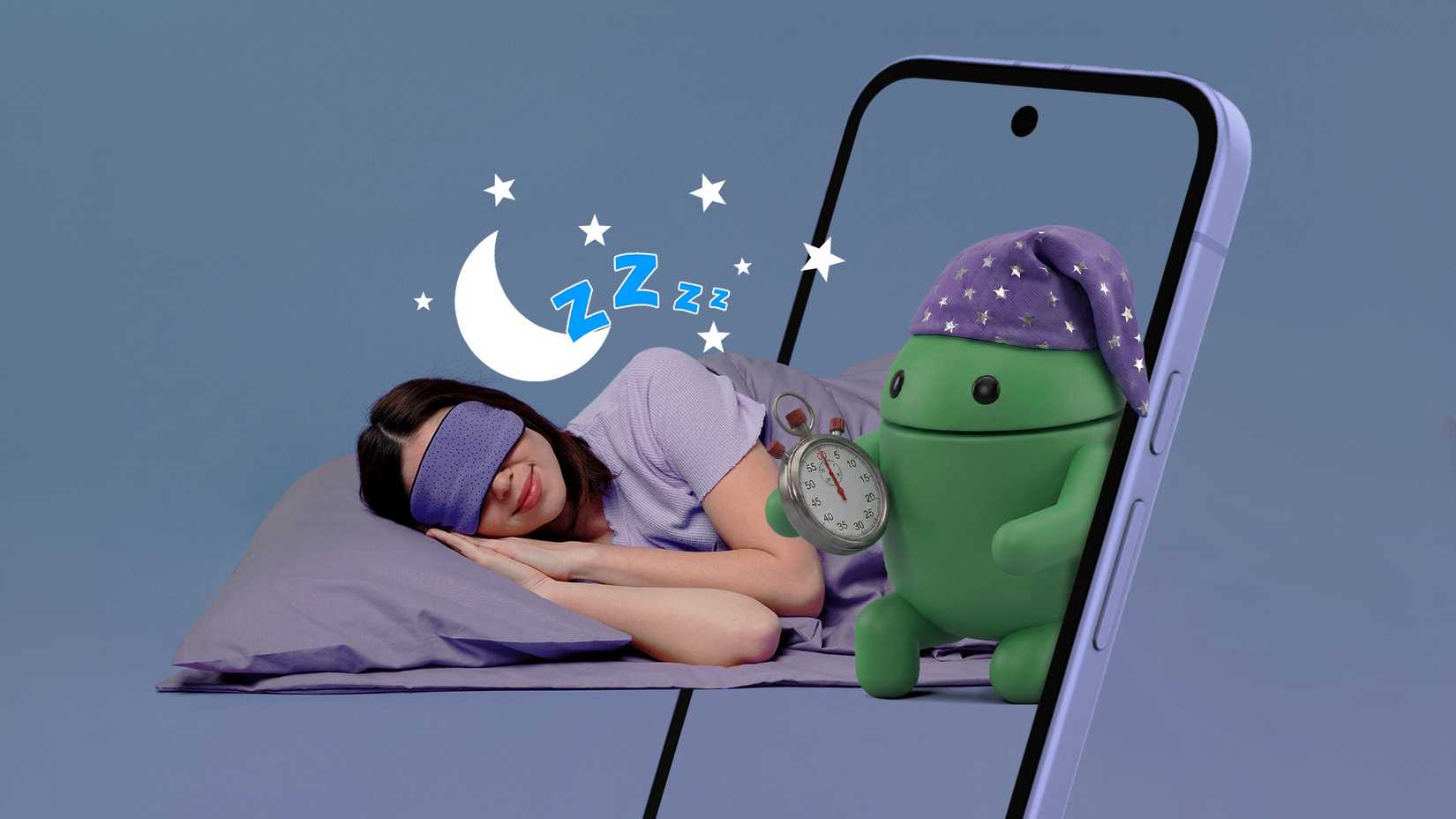
You drag the brightness all the way down. It hits 1%. You think that’s as low as it goes. But it isn’t. I found Extra Dim while scrolling through settings.
It’s part of Android’s accessibility suite. The exact steps vary by phone, but you’ll usually find it under Settings > Accessibility > Vision Enhancements > Extra Dim.
Extra Dim works differently from the normal brightness slider. Instead of adjusting the OLED directly, it changes colors in software.
By moving bright colors closer to black through color space compression, it bypasses the flicker from PWM.
Think of it like putting a pair of polarized sunglasses over your entire operating system.
It cuts the light reaching your retina, and the hardware doesn’t need to drop its voltage.
The trick is to leave the brightness slider higher than halfway and rely on Extra Dim to reduce PWM flicker.
A simple migraine protocol that can calm your entire phone
 Credit: Lucas Gouveia/Android Police | semprong/Shutterstock
We talked about accessing Extra Dim, but going through three menus in the middle of the night during a migraine is the last thing anyone wants.
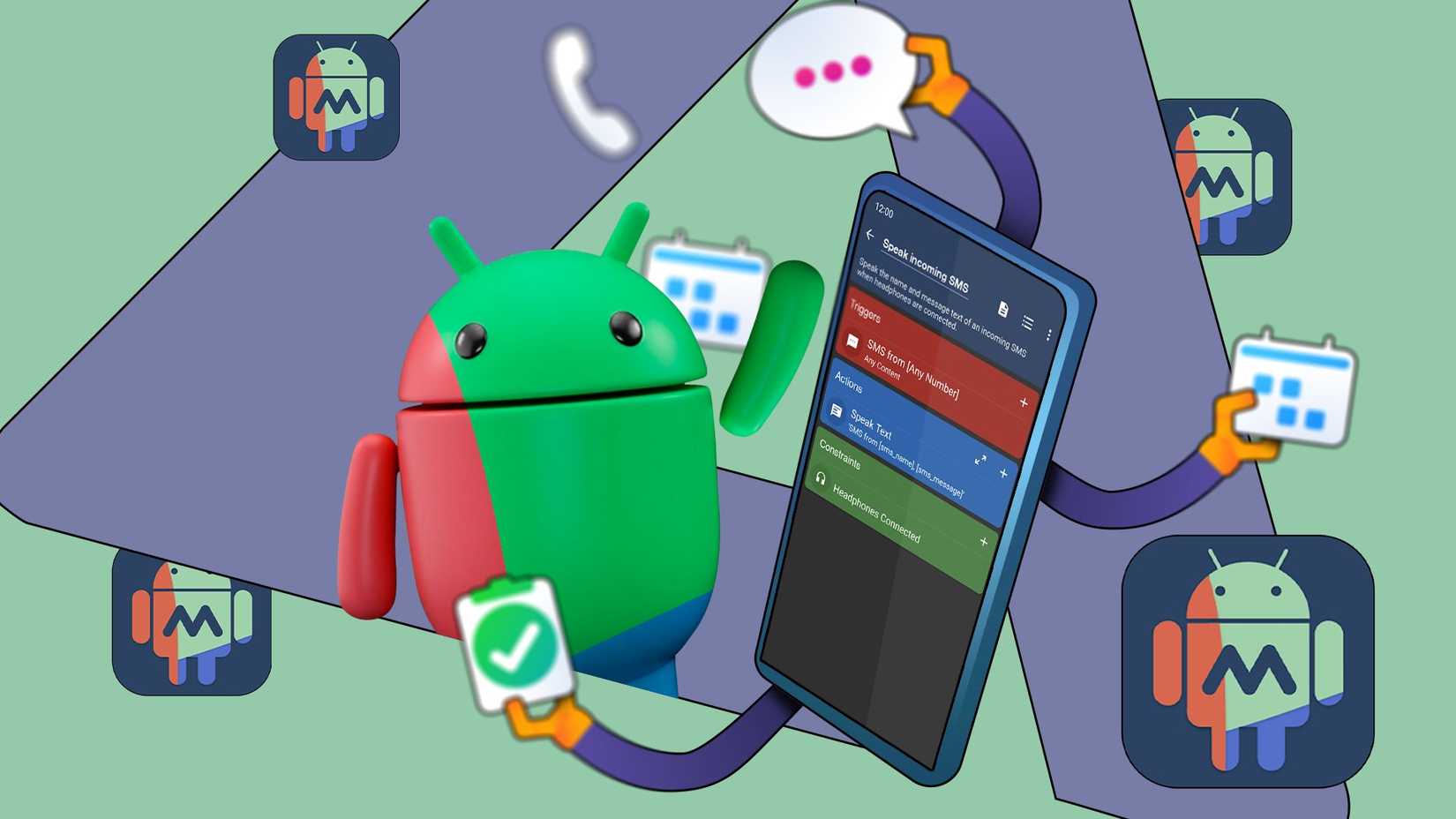
For those moments, set up a hardware shortcut for Extra Dim or place the toggle directly in Quick Settings. You can take it further with automation.
Tools like Tasker and Samsung Routines let you layer custom rules on top, such as Grayscale mode.
Subscribe to the newsletter for practical screen fixes
Discover more device accessibility insights—subscribe to the newsletter for practical guides on dimming strategies, reducing screen flicker, and other device-focused tips that make screens easier to live with. Subscribe By subscribing, you agree to receive newsletter and marketing emails, and accept our Terms of Use and Privacy Policy. You can unsubscribe anytime.I built a basic Migraine Protocol in Tasker. Every evening at sunset, Tasker turns on Extra Dim, switches the display to grayscale, lowers animation speed, and mutes notification sounds.
Everything on the screen feels calm. Even YouTube thumbnails look flat.
Together, these tweaks minimize visual and audio stimulation, prevent doomscrolling, and let me sleep sooner.
Now, don’t expect a dramatic change. Migraines still show up when they feel like it, just not as often.
My eyes don’t strain as much, notifications don’t pull me around as much, and the day just feels a little easier to get through.
Bigger numbers are not always better
The tech industry keeps pushing us to do more, see more, and chase ever-higher brightness and color.
Look, I get it. 4,500 nits is a hot number for a marketing brochure. It’s easy to explain, and it sounds powerful. But sometimes the most meaningful innovation comes from doing less.
It’s time for Apple, Google, Samsung, and the display makers behind their panels to rethink priorities. The nit race needs a new direction.
Follow Followed Like Share Facebook X WhatsApp Threads Bluesky LinkedIn Reddit Flipboard Copy link Email CloseSubscribe to the newsletter for practical screen fixes
Discover more device accessibility insights—subscribe to the newsletter for practical guides on dimming strategies, reducing screen flicker, and other device-focused tips that make screens easier to live with. Subscribe By subscribing, you agree to receive newsletter and marketing emails, and accept our Terms of Use and Privacy Policy. You can unsubscribe anytime. Trending Now Google confirms AirDrop is coming to all Android devices
 I tried Android's Desktop Mode, and I might never use my laptop again
 6 reasons to add your passport to Google Wallet