 Credit: Lucas Gouveia / Android Police
 By
Irene Okpanachi
Published Mar 10, 2026, 8:30 AM EDT
Irene Okpanachi is a Features writer, covering mobile and PC guides that help you understand your devices.
She has five years' experience in the Tech, E-commerce, and Food niches. Particularly, the Tech space allows her to geek out and share knowledge.
Irene is a couch potato who loves gaming, singing, listening to music, and eating when she's not typing furiously on her laptop.
Sign in to your Android Police account
Add Us On
Summary
Generate a summary of this story
follow
Follow
followed
Followed
Like
Like
Thread
Log in
Here is a fact-based summary of the story contents:
Try something different:
Show me the facts
Explain it like I’m 5
Give me a lighthearted recap
By
Irene Okpanachi
Published Mar 10, 2026, 8:30 AM EDT
Irene Okpanachi is a Features writer, covering mobile and PC guides that help you understand your devices.
She has five years' experience in the Tech, E-commerce, and Food niches. Particularly, the Tech space allows her to geek out and share knowledge.
Irene is a couch potato who loves gaming, singing, listening to music, and eating when she's not typing furiously on her laptop.
Sign in to your Android Police account
Add Us On
Summary
Generate a summary of this story
follow
Follow
followed
Followed
Like
Like
Thread
Log in
Here is a fact-based summary of the story contents:
Try something different:
Show me the facts
Explain it like I’m 5
Give me a lighthearted recap
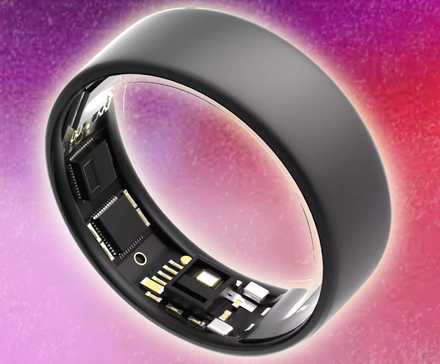
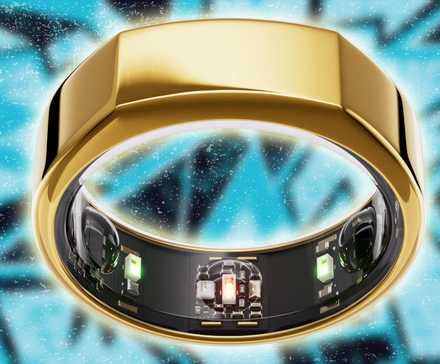
I remember when the Oura Ring launched. It did everything a smartwatch could, and more discretely. It ticked the boxes for my perfect health companion, so I wanted one.
Mind you, I had no business with a $300 wearable at that point in my life. I won't say I'm the healthiest person on the planet. But I didn't have any specific goals to track.
My priorities were exercising regularly, eating a reasonable portion of nutrients, and scheduling regular checkups with my healthcare provider. I was handling them pretty well on my own.
Looking back, the restraint might have saved me from intense self-tracking. It's a superpower I once thought would save many lives, including mine.
But two truths can exist. It also ruined how I experienced each day. I'm now choosing to take the unpredictable path to living.
 Related
7 reasons why I prefer smart rings over smartwatches
Related
7 reasons why I prefer smart rings over smartwatches
Why I ditched smartwatches for rings
Posts 13 By Sanuj BhatiaSmall habits power hidden data economies
Each step you take is less about self-improvement

Most people end up with a small ecosystem of trackers, each measuring a different part of their life. It happens consciously when you're installing apps or buying wearables to monitor specific things.
Only after some time do you realize how many slices of your life companies collect and share with partners. Maybe it was the ashwagandha plant I recently started taking, but my moment of realization came randomly. I suddenly didn't need the multiple apps that once did everything for me.
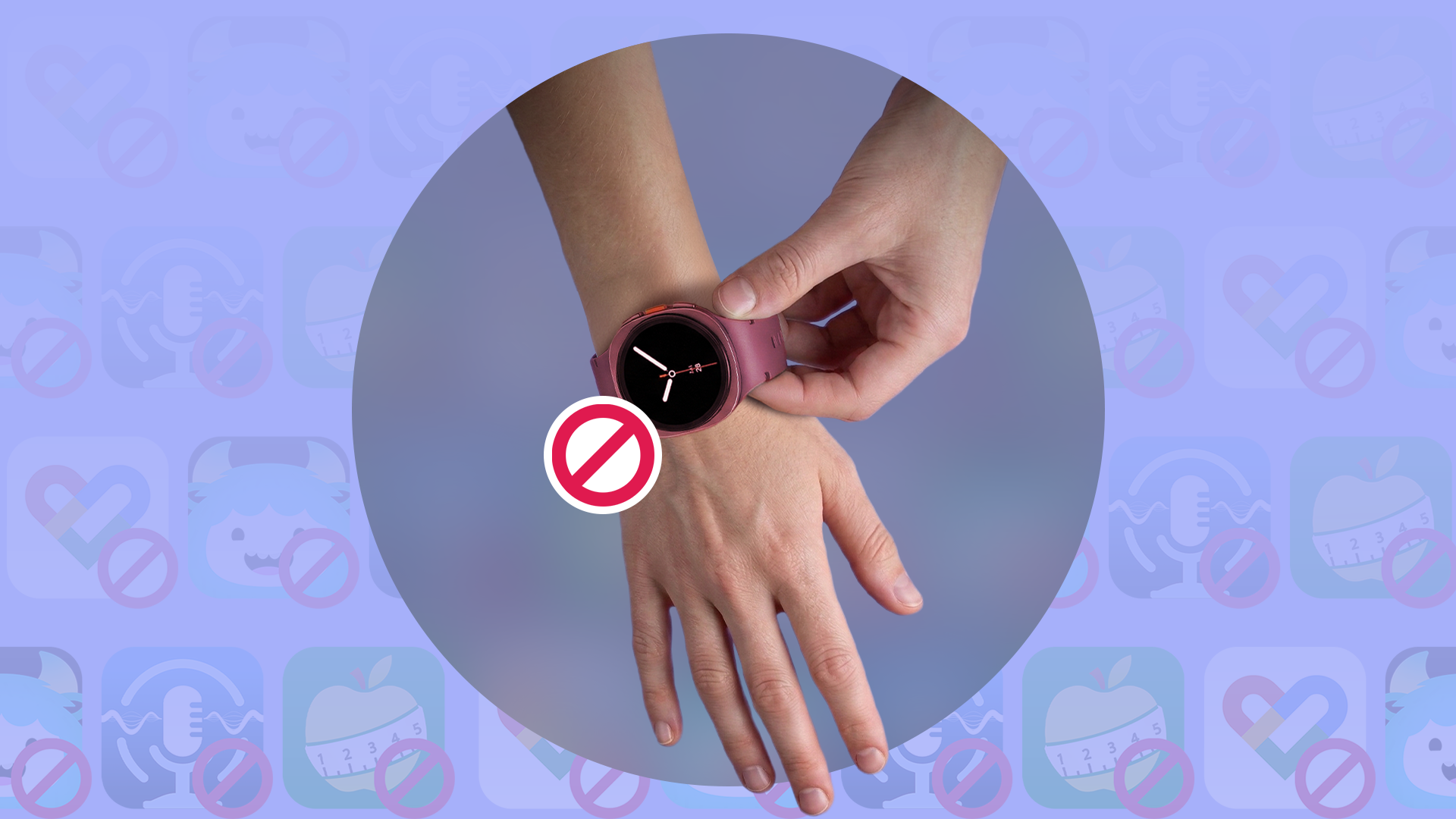
I have installed nutrition trackers like Yazio: AI Calorie Counter and Calorie Counter: MyNetDiary. They ensured I strictly met my daily protein intake. I even set water and medication reminders within my period tracker app. GoogleFit measured my footsteps, while Sleep Tracker and Recorder helped me see patterns in my rest cycle.
It's unlikely that someone will intercept your sleep score and use your snoring against you. But fitness tracker data isn't protected by medical privacy laws such as the Health Insurance Portability and Accountability Act (HIPAA).
Even if you delete the app later, copies of your physiology may remain in backups on external servers. They could be used to train algorithms or serve other unsettling purposes.
Worse, habit monitoring apps can (and quite ironically) become the catalyst of one bad habit.
Living is not the same as living
I was counting my days instead of experiencing them
 Credit: Lucas Gouveia/Android Police | Maridav/Shutterstock
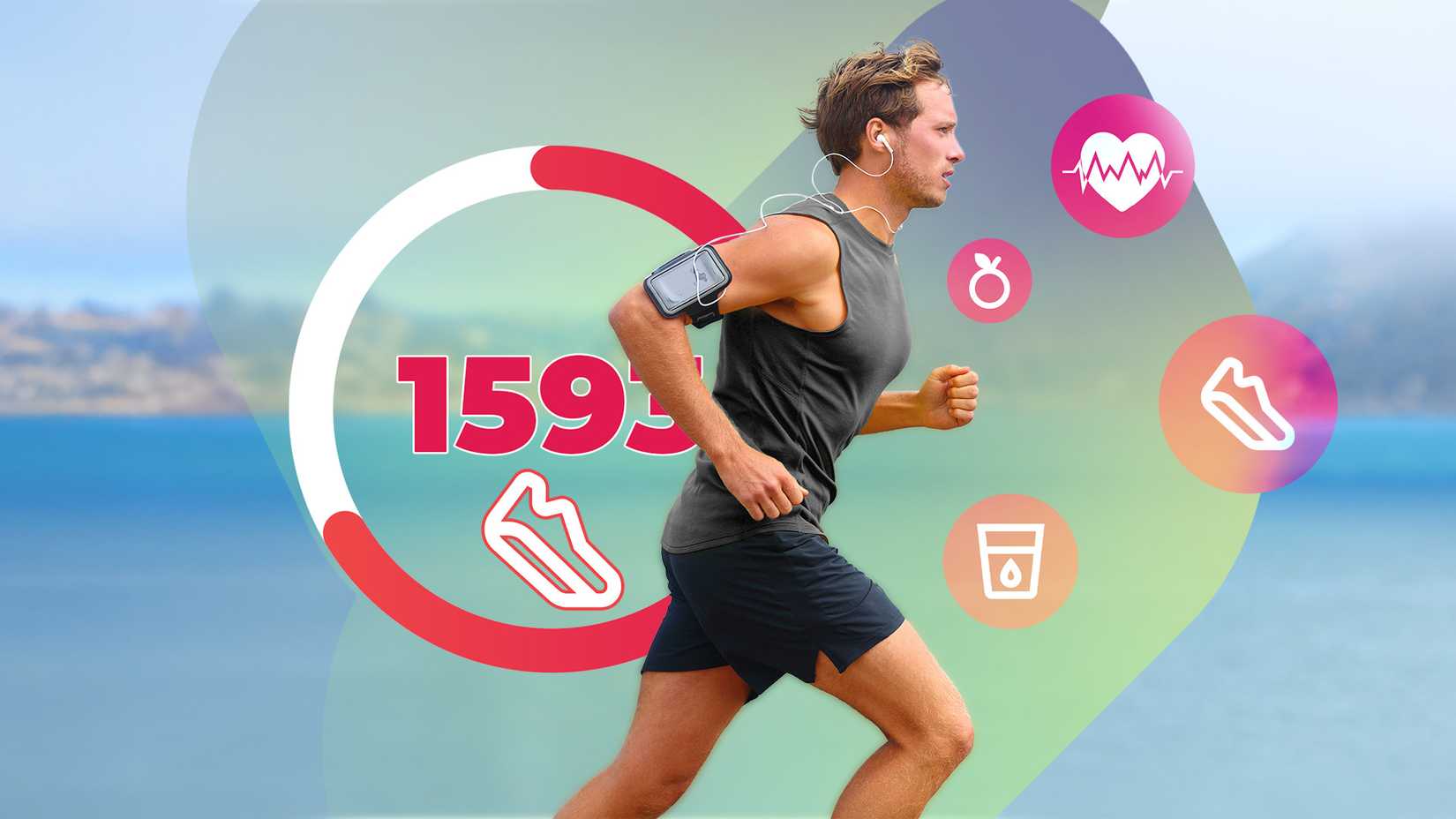
Self-tracking metrics fueled my anxiety. I got used to cross-checking activities, instead of enjoying how I felt at the moment. Numbers became the best explanations for how the day went. Negative insights made me worry and try to fix imaginary problems.
My sleep tracker might show only one hour of deep sleep or a higher-than-usual awake time. Even if I wake up feeling fine, I might cancel a morning run to rest more or check my previous routine for culprits.
It happens to others around me. I've been out in situations where a friend's phone buzzed suddenly. It's either a reminder to do micro movements, reapply sunscreen, say a quick gratitude, or close a daily activity ring.
I'll relate the issue to taking pictures of your food before eating it. It's not outright bad. But part of your focus is more on capturing the moment. What should have been an ordinary outing was interrupted by numbers we all overanalyze.
I crave a spontaneous life. Yet, habits rarely form overnight. It was unlikely that I was going to break mine that way. I'd expected to delete tracking apps and suddenly stop thinking about the metrics. It didn't take me long to reinstall them.
Slowly weaning myself worked effectively. I chose journaling over checking in to keep streaks. You rarely see the full picture with the former, especially since it reduces your day to a completed checkmark.
A journal helps me document why I needed to do activities, how they felt, and other interesting details. I have control over the narrative, rather than the illusion that I'm in control of my metrics.
I may not reach my running goals, but I may document how ecstatic I felt zipping past the streets. So, it's not always a bad thing to fail.
Replace dashboards with intuition
It doesn't take rocket science to know the basics
 Credit: Pexels
I've been deliberately primal in habit monitoring lately. I've replaced many automated tracking systems with physical cues. Since I have to manually record details like apps do, I don't bother most of the time.
I replaced my water reminders with a real bottle. It has measurement markings running down the side for both milliliters and ounces. The scale climbs gradually from 500ml all the way up to 2,000ml (2 liters).
I know that finishing two rounds puts me around the daily recommendation of three to four liters of water per day. Even if I miss a couple of cups, it doesn't reduce the hydration benefits that have already accumulated in my body, unless I make that another habit. It's the law of consistency.
Subscribe for real-world guides on mindful tracking
Get a newsletter subscription that explores mindful tracking, privacy trade-offs, and low-tech habits; practical perspectives and journal prompts to help you replace dashboards with intuition and make thoughtful choices about what to track. Get Updates By subscribing, you agree to receive newsletter and marketing emails, and accept our Terms of Use and Privacy Policy. You can unsubscribe anytime.Running works the same way now, such that I use landmarks to know how far I've gone. I discover new routes from immersing myself in the environment. The newest one takes an hour to complete and covers 4.7km. Other times, I might rely on time before returning home.
I also silenced notifications. If I couldn't stay away from some apps, I temporarily blocked access to them with third-party apps. Diet tracking was the hardest part to abandon as I was actively trying to gain weight.
But it's peaceful eating without reminders and food analysis charts. They contribute to stress, making it harder to digest food and regain appetite.
 Related
6 reasons I'm skipping the Oura Ring 4
Related
6 reasons I'm skipping the Oura Ring 4
Not because it's bad
Posts 5 By Chris ThomasKnow yourself for yourself
Personal analytics are great if you're actively using the data to guide decisions. Before you download or buy your next tracker, assess your lifestyle and determine how much insight you actually need.
You're better off without it if you're merely obsessing over a challenge or following a trend. Humans have spent most of history guessing about the body and habits. The world doesn't end abruptly if we stop measuring every signal we produce.
It feels inconvenient at first, but eventually, you pass that stage of discomfort. If you're struggling to, or you fight device addiction generally, there's hope.
Start with Focus and Do Not Disturb modes. Gradually, you'll discover more tricks and build habits that draw your attention back to earth.
-
 Smartwatches & Wearables
 I'm a smartphone expert and the Samsung Galaxy S25 Ultra left me unimpressed: Here's why
 My Google Pixel is infinitely better since I tweaked these settings
 I found an all-in-one Android productivity app, and I can't stop raving about it